NAVIGATING THE ACCELERATING FUTURE: A CALL FOR COLLECTIVE ACTION
As we stand on the precipice of extraordinary change, the world around us is shifting faster than we can comprehend. The natural world—trees, mountains, and rivers—has remained largely unchanged for millennia. Yet, in mere centuries, humanity has reshaped existence beyond recognition. From the printing press to the internet, from the industrial revolution to artificial intelligence, progress has never been this fast—or this perilous.
The future is no longer distant; it is unfolding before us at an unprecedented speed.
In the last 200 years, we have accomplished more than in the previous 10,000 combined. But with each technological leap, we must ask: Are we truly prepared for this acceleration, or are we so enamored by progress that we fail to see where it is taking us?
The Paradox of Progress
Technology promises endless possibilities—connectivity, knowledge, convenience. Yet, for all its brilliance, it has exposed deep fractures in our societies. We have never been more connected, yet we are also more divided. While we marvel at breakthroughs, we are confronted by inequality, climate disasters, geopolitical tensions, and rising social unrest. The future we have built is full of promise, but it is also full of peril.
In my work as a family physician in Australia, I have witnessed these changes firsthand. The struggles of domestic violence, addiction, and mental health issues are more widespread than ever. But they are often sidelined in favor of the next shiny technological advancement. The rapid pace of change hasn’t just altered our tools—it is altering the very fabric of our communities.
Take Dubai as an example—a city where a walk through the streets feels relatively safe, in contrast to many Western cities where random violence and insecurity are increasingly common. Technology promises progress, but we must ask: What kind of world are we creating?
For the wealthy, technology offers convenience, security, and control. But for the vulnerable, the ground grows increasingly unstable. And for the rest of us, we are left navigating a rapidly changing world, trying to carve out a place in an uncertain future.
The Double-Edged Sword of AI
Among the forces driving this transformation, artificial intelligence stands at the forefront. It has the power to revolutionize healthcare, expand education, and fight climate change. But in the wrong hands, AI becomes a tool of surveillance, division, and control. And who knows what lies ahead?
The benefits of technology are unevenly distributed. The rich and powerful are harnessing AI to consolidate their power, while the majority struggle to keep pace with its rapid evolution. If left unchecked, AI will not serve humanity—it will serve those who wield it.
If we continue on this path without mindful stewardship, we risk a future where profit and efficiency eclipse empathy and human dignity.
The Spirit of Humanity: Can We Keep Up?
Nature reminds us that even the most intricate systems are in constant flux. A spider’s web lasts only as long as the spider cares for it. A lion hunts not out of want, but necessity. Humanity, too, is constantly balancing progress with the consequences of its actions.
The question we must now ask is: Can we sustain the world we have created without losing ourselves in the process?
History teaches us that societies can falter when progress outpaces wisdom. The speed of innovation cannot exceed the moral and ethical foundations required to guide it. We cannot allow progress to outrun our capacity for compassion.
It is easy to feel powerless—to look at the wars, climate disasters, and systemic failures around us and believe that hope is lost. But history also tells us something else:
The human spirit endures.
In every era of uncertainty, there have always been those who refused to be passive. Those who saw the forces of injustice and chose to stand up—not out of convenience, but out of deep conviction.
The pivotal question isn’t, “What can the world do for me?” but “What can I do for the world?”
This simple shift in perspective has always ignited the greatest movements of change. The responsibility is ours, and it has never been more urgent. We cannot afford to wait for others to define our future. The time for action is now.
Even when we feel insignificant in the grand sweep of history, our actions—however small—are ripples that flow through time. The future is shaped not only by the powerful, but by the collective action of those who refuse to accept a world dominated by greed and indifference.
If enough of us take responsibility, if enough of us speak up, we can ensure that technology serves humanity, not the other way around.
The Watchmen of Our Time
And so, as we stand on the threshold of this new era, we are called not to be passive observers but to be watchmen. Watchmen do not sit idly by. They stand guard—not just against the forces of destruction, but in hopeful vigilance for the future they seek to build.
A watchman does not stand guard out of fear but out of hope—hope that their vigilance will make a difference. Hope that their watchfulness can hold back the tide of greed and indifference.
If we wait for others to act, we surrender our own power. The future is not written by spectators—it is shaped by those who dare to step forward.
They dream of things that never were and ask: Why not?
What is the role of a watchman if not to resist complacency? To challenge the slow erosion of truth? To keep the flame of hope burning even when darkness presses in?
The prophets of old did not merely see—they spoke, they acted, they resisted the temptation of inaction.
Now, it is our turn.
We must not only defend against what threatens us but actively build the future we desire. We must remain vigilant, not just in defense, but in hope. Because the future is not a passive force that unfolds without us. It is written by those who dare to shape it.
And so we must ask ourselves:
If not us, then who?
If not now, then when?
If not this world, then why not dream of one greater?
This is not a time for resignation. It is a time for courage.
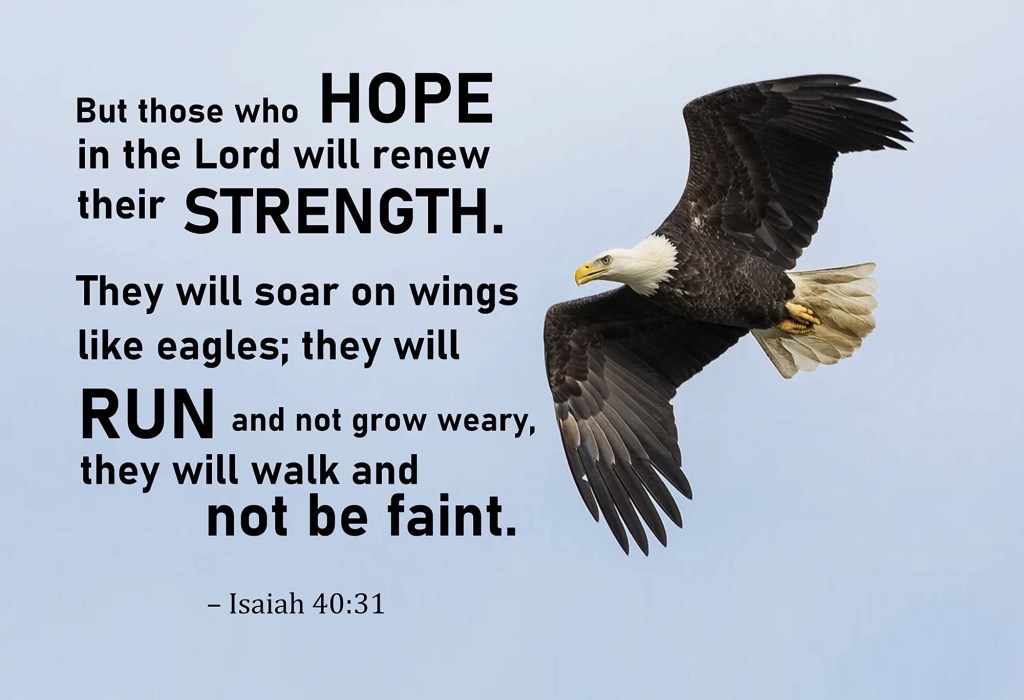
Let’s hope the leaders of the world heed the wisdom of Isaiah—that justice and righteousness must be the foundation of any enduring society. But more importantly, let us remember that we, as ordinary people, also shape the course of history.
We must reach out within our own domain of influence—unique to every person—and make our stand.
Paul Alexander Wolf 🇳🇱🇿🇦🇳🇱🏴🇦🇺🇿🇦🇦🇺
 We dream of things that never were and say: "Why not?"