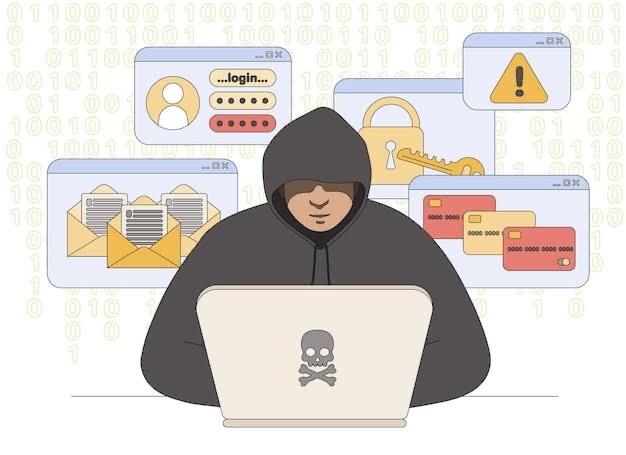
Ah, the early days of the internet—when the biggest risk was forgetting your AOL Instant Messenger password. Fast-forward to today, and we’re navigating a cyberwild west where scammers have evolved from the classic Nigerian prince to AI-powered phishing machines that could fool even the sharpest among us.
For some length of time it has been “a pain in the neck” for myself as well.
But fear not! Here’s how you can outsmart the scammers—and laugh while doing it.
- Spotting the Dangers: Don’t Be Fooled!
You’ve got to be sharp with those emails. Here are a few warning signs:
• Urgency: If they’re saying your account’s at risk, don’t panic. Your bank won’t demand urgent action through an email link.
• Shady Email Addresses: bankoflove123@gmail.com? Yeah, not your bank.
• Grammar and Punctuation: If it looks like it was written by a robot (because it probably was), delete it.
- How the Scammers Operate (AI is Their New Best Friend)
Scammers are no longer sending out random emails hoping for a bite. They’re using AI and deepfake tech to send convincing messages that look like they’re coming from your real bank or even your friends. Their goal? To trick you into giving up your info. Think of it like they’re fishing with a golden hook. And trust me, their fish tank is huge.
- How to Defend Yourself: Tips for the Modern Digital Warrior
You don’t need to be a tech genius to stay safe, but here are a few simple tools to arm yourself:
• Use Spam Filters: These are your digital bouncers. If it looks suspicious, mark it as spam.
• Enable Two-Factor Authentication: It’s like adding a second lock to your door. Even if they get your password, they’ll still need that second code.
• Avoid Public Wi-Fi for Sensitive Transactions: Public Wi-Fi is like leaving your front door open. Use a VPN instead for extra protection.
- The Future: Scammers Will Get Smarter, But So Will We
Here’s the thing: scammers are always one step ahead. They’re going to get smarter with AI, creating phishing scams that’ll look like they’re coming from your best friend. But don’t panic—technology will keep evolving too. Soon, we’ll have even stronger defenses, and scammers won’t know what hit them. And while it might sound like a scene from a sci-fi movie, being prepared is our best defense.
- The Ultimate Rule of Thumb: If It Feels Wrong, It Probably Is
The bottom line: trust your instincts. If something seems too good to be true—or just feels off—delete it. Scammers are counting on you to make a quick mistake. Take a breath, and think twice. Your bank won’t ever ask you for personal info via email. Ever.
Wrapping Up:
In a world full of scammers, it’s easy to feel overwhelmed, especially as technology keeps evolving. But the good news? You’ve got the tools to protect yourself, from spam filters to AI-driven security. Stay vigilant, stay skeptical, and laugh at the absurdity of it all—because at the end of the day, the only thing we can control is our response to the madness.
Let’s keep the conversation going—what’s the craziest phishing scam you’ve encountered? Share your stories, and let’s outsmart the scammers together! 🚀 Do you have better ideas or additional suggestions?
Paul Alexander Wolf
 We dream of things that never were and say: "Why not?"