
–
“Falsehood flies, and the Truth comes limping after it.”
– Jonathan Swift – Irish poet
– Jonathan Swift – Irish poet
–
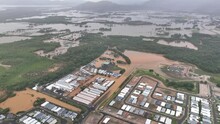
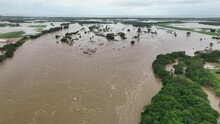
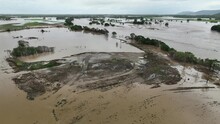
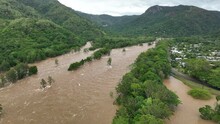
Both government and public health officials in Queensland, Australia had (and have) a responsibility to adequately address the mould infestation in schools and public buildings in the aftermath of Cyclone Jasper in the broader Cairns area. This has not happened in line with the required standards and has already some significant health effects, most likely more to come in the future. I became alerted on the situation via encounters with various patients. Based on the level of concern I wrote to both Dr Steven Donaghue (CMO Public Health), Hon Michael Healy (Local Member) and Senator Nita Green for Queensland. Being mindful of the importance to approach the inclusion of sensitive information in a public letter to authorities with caution, I can’t disclose the letter as such at this stage, But I am awaiting a response in the interest of the public. If the last not being the case the letter will be published and the matter will be delegated, involving the Queensland Ombudsman. The last can be a measured and strategic approach in certain situations where there are concerns about deficiencies in public health matters, particularly when other channels for addressing the issue have been exhausted or when there are indications of systemic issues that require independent investigation and oversight. The Queensland Ombudsman serves as an independent authority responsible for investigating complaints about the actions and decisions of state and local government agencies, which can include public health authorities and healthcare institutions.
–
As a medical professional deeply committed to public health, I am profoundly concerned about the widespread and enduring impact of mould exposure on the health of teachers, students, and community members. The gravity of the situation is underscored by the fact that the response to post-flooding mould exposure in both public and non-public buildings has been inadequate, resulting in a substantial risk of long-term illness and associated health ramifications, not to speak about potential legal ramifications where this applies to public schools.
–
It is alarming to note the stark disparity in response to similar situations, such as the immediate erection of new mobile schools in Broken Hill (NSW), in contrast to the situation in northern Queensland. This discrepancy is particularly perplexing given the well-established medical and general knowledge of the health risks associated with mould exposure.
–
The reluctance of teachers to speak out due to potential ramifications is indicative of a concerning environment where legitimate concerns about health and safety are stifled. This underscores the urgent need for a supportive and empowering framework that allows individuals to voice their concerns without fear of reprisal.
–
The potential risk of class actions related to long-term illness resulting from mould exposure underscores the need for immediate and decisive action. There are plenty examples and evidence of the health risks associated with mould exposure, including respiratory issues, long-term illness, and potential legal ramifications such as class actions due to inadequate response. Mould exposure can be a lifelong sentence, comparable with asbestos exposure, the last however at a different level.
–
The measures taken by e.g. schools, such as removing carpets and using blowers to dry the walls, may not have effectively addressed the mould issue. Mould can thrive in hidden areas, such as within wall cavities or beneath flooring, and simply drying the visible surfaces may not eliminate the problem. Additionally, the use of blowers can potentially spread mould spores throughout the environment, exacerbating the issue. Obviously matters have been exacerbated by the fact that the flooding happened during the holiday season when the schools were closed, with the clean up only starting after the holidays. Meanwhile the mould has been grown and spread at unquantifiable levels, due to the tropic and humid conditions. As such it became a real health risk, because people returned to the workplace (children included) with highly inadequate remedial cleaning measures being implemented.
–
It is crucial for schools and relevant authorities to conduct proper and thorough assessments of the extent of mould contamination, and to implement comprehensive remediation measures to ensure the safety and well-being of teachers and students. This may involve engaging professional mould remediation services to address the issue in a systematic and comprehensive manner. But it may prove to be: “too little too late”. Of note is that not all “professional remedial services” are that professional as they claim to be, Illustrated by the fact that that at least one private cleaning company used overseas people on a travel & work visa in Australia, to do “cleaning” without (!) any form of protection.
–
Furthermore, it is important for the affected individuals, including teachers and children, to receive appropriate medical care and support to address any health impacts resulting from mould exposure. This may include monitoring for respiratory symptoms, conducting lung function tests, and providing necessary treatment and support.
–
It is essential for the schools and relevant authorities to prioritize the health and safety of the individuals affected by the mould exposure and to take proactive measures to address the issue effectively. If necessary, affected individuals and their families may consider seeking advocacy and support from relevant organizations or legal professionals to ensure that their concerns are addressed appropriately.
–
There are legitimate concerns about workplace safety standards, occupational health hazards, or inadequate enforcement of regulations, and identifying systemic issues, advocating for improvements in occupational health and safety practices, and ensure compliance with regulatory standards are important measures.
–
The broader Cairns area and up north is facing situations where there are persistent disparities in health outcomes for Indigenous communities, where younger and older people are exposed under similar circumstances with even more questionable efforts of remedial cleaning and where the after effects will be lingering. “Close the gap” should be in those areas not a matter of “lip service”, but adequate action.
–
Prolonged exposure to mould can lead to more severe and potentially irreversible health problems, particularly in vulnerable populations such as children, the elderly, and individuals with compromised immune systems.
–
In children, exposure to mould has been linked to the development or exacerbation of respiratory conditions such as asthma. Additionally, some studies have suggested that early exposure to indoor mould may increase the risk of developing asthma in children.
–
For individuals with weakened immune systems, such as those undergoing chemotherapy or organ transplant recipients, mould exposure can lead to serious and potentially life-threatening fungal infections.
–
Furthermore, prolonged exposure to certain types of mould, such as Stachybotrys chartarum (commonly known as black mould), has been associated with mycotoxicosis, a condition caused by exposure to mycotoxins produced by certain mould species. Mycotoxicosis, clearly, can lead to a range of health problems, including neurological issues and immune system suppression.
–
It’s important to address mould infestations promptly, particularly in environments where vulnerable individuals are present, in order to prevent potential long-term health complications. The last seems not to have happened within the Department of Education, responsible for many schools, teachers and children. The actual “clean up”, in most cases, happened when the schools opened again after the holidays: three to four weeks after the flooding. On the level of communication between Government authorities, Public Health and the Department of Education, I am not so sure. But let’s put it this way: it’s a very unfortunate situation where at least some level of competence or incompetence is in question, actually: in no uncertain terms.
–
Engaging with reputable media outlets to bring attention to the public health issue can help raise awareness among the public and prompt a response from authorities. Health professionals can provide accurate information, expert commentary, and first-hand accounts to highlight the urgency of the situation.
–
When there are concerns about an inadequate or delayed response to an infectious disease outbreak, particularly if it leads to a significant impact on public health, – involving the Ombudsman can help assess the effectiveness of the public health measures, identify any systemic issues in the response, and make recommendations for improvements. However, this has not been the case here in the top of Queensland, as yet, – because mould exposure and the health ramifications are not seen as “an infectious disease”. In technical terms this is correct, but the health implications as described above are far more serious than e.g. a “Heightened risk of Ross River virus in Queensland”. Asbestos is recognised as a safety risk. It took years. And the last can be find in the “Public Health Risks”. Perhaps the aftereffects of the situation being described, warrants prolonged mould exposure to be identified as a serious Public Health risk, and being taken more seriously than has been done during the flooding aftermath of Cyclone Jasper, with too many people struggling at the moment.
Dr Paul Alexander Wolf
–
Resources:
CDC Mold Web site
–
Mold Cleanup in Your Home | US EPA
–
U.S. Environmental Protection Agency
–
Adverse Human Health Effects Associated with Molds in the Indoor Environment
–
Exposure and Health Effects of Fungi on Humans
–
Position paper The medical effects of mold exposure
–
Adverse human health effects associated with molds in the indoor environment
–
Cleveland Clinic mould information
–
Mould after a disaster -Queensland Health
 We dream of things that never were and say: "Why not?"